
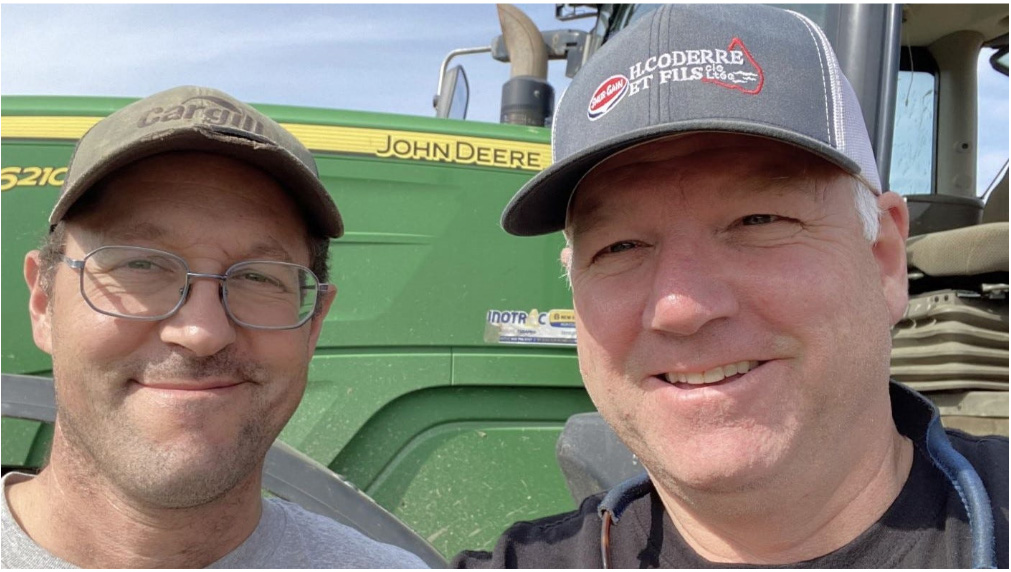
How a farmer in Shefford is turning cow manure into green energy
Another step towards meeting Quebec's goal on renewable energy by 2030
Paul Sauve is not your typical farmer. He is also the founder of GNR Shefford, a project that aims to produce renewable natural gas (RNG) from cow manure, slurry and agricultural residues.
RNG is a form of biogas that can be used as a substitute for fossil natural gas, reducing greenhouse gas emissions and contributing to the energy transition.
Sauve’s project is one of the first of its kind in Quebec, where the government has launched a program to support the production of RNG from various sources, including landfills, wastewater treatment plants and farms. The program provides financial incentives and guarantees the purchase of RNG by distributors such as Énergir.
The project is valued at $27 million, half of which is subsidized by the federal and provincial governments. It involves building a biogas plant on Sauve’s farm, where he has about 300 cows and 200 hectares of land. The plant will process up to 35,000 tons of organic matter per year, producing enough RNG to heat about 1,000 homes. (Ref news report on Radio-Canada, Oct 27, 2023.)
The process of biogas production involves anaerobic digestion, which is the breakdown of organic matter by microorganisms in the absence of oxygen. The resulting biogas is composed mainly of methane and carbon dioxide, which can be purified and upgraded to RNG standards. The leftover digestate can be used as a high-quality fertilizer for crops.
Sauve says he was inspired by similar projects in Europe, where biogas is widely used as a renewable energy source. He says he sees his project as a way to diversify his income, reduce his environmental impact and contribute to the local economy.
“I think it’s important for farmers to be part of the solution for climate change,” he says. “We have a lot of potential to produce green energy from our waste and residues.”
However, not everyone is enthusiastic about his project. Some residents in the area have expressed concerns about the possible increase in traffic, noise and odors from the biogas plant. They also question the agricultural nature of the project, since half of the organic matter will come from other farms in the region.
Sauve says he has taken several measures to address these issues, such as conducting environmental studies, installing monitoring systems and forming a citizen committee to ensure transparency. He also says he has chosen a location for the plant that minimizes its visual impact on the landscape.
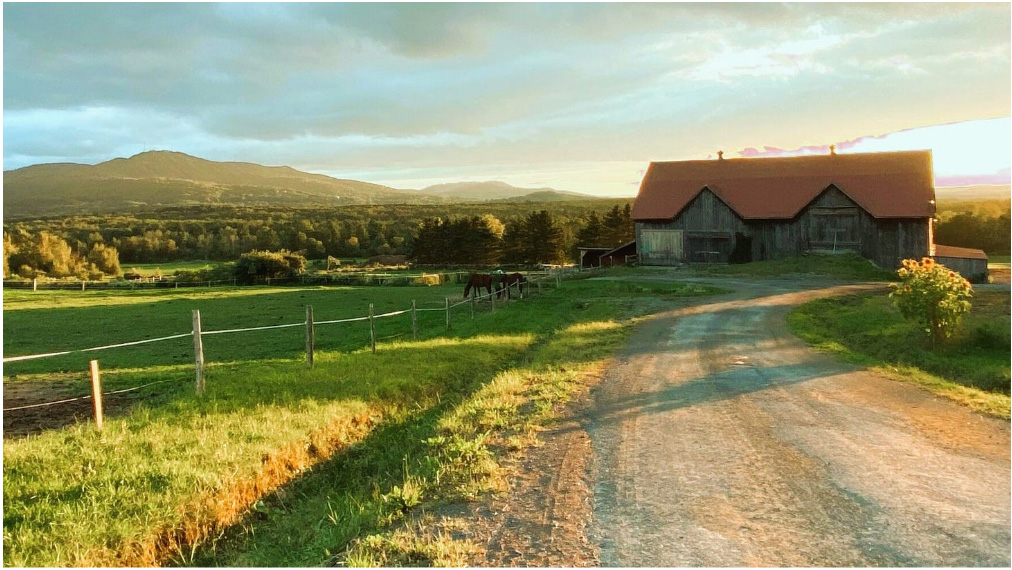
“I understand that people have questions and worries, and I try to answer them as best as I can,” he says. “But I also try to open up this farm, which dates back to 1797, so that they can participate in the project eventually. There are always challenges with any new project. We have to overcome them and live in the present.”
Sauve hopes to start producing RNG by the end of 2023, after obtaining all the necessary permits and approvals. He says he is confident that his project will be a success story for Shefford and Quebec.
“I think this is a win-win situation for everyone,” he says. “We can produce clean energy, reduce waste, create jobs and support local agriculture.”