
Exploring Dominion & Grimm (D&G) and Biogas Lipp‘s Cutting-Edge Anaerobic Digestion Technologies – Part 4 out 4 Series
As we stand at the crossroads of a global energy transition, bioenergy emerges as a crucial player in our sustainable future. This final article in our series explores the cutting-edge innovations, pressing challenges, and exciting opportunities that lie ahead in the bioenergy sector, with a particular focus on the roles of industry leaders like Dominion & Grimm and Biogas Lipp.
Emerging Trends in the Bioenergy Sector
The bioenergy landscape is rapidly evolving, driven by technological advancements, policy shifts, and changing market dynamics. Key trends shaping the future of bioenergy include:
- Advanced Feedstocks: Development of new, more efficient biomass sources, including algae and genetically modified energy crops.
- Integrated Biorefineries: Facilities that produce multiple products (e.g., biofuels, biochemicals, and power) from biomass, maximizing resource utilization.
- Power-to-Gas Technologies: Converting excess renewable electricity into biogas or hydrogen, enhancing grid stability and energy storage.
- Artificial Intelligence and IoT: Implementing smart systems for optimized biogas production and plant management.
- Circular Economy Integration: Increasing focus on closed-loop systems where waste becomes a valuable resource.
- Carbon Capture and Utilization: Combining bioenergy with carbon capture technologies to achieve negative emissions.
The Great Lakes Region: A Bioenergy Hub
The Great Lakes region, spanning parts of Canada and the United States, is poised to become a significant hub for bioenergy innovation and production. Factors contributing to this include:
- Abundant Biomass Resources: Vast agricultural lands and forests provide a steady supply of feedstock.
- Strong Industrial Base: Existing infrastructure and expertise in agriculture, forestry, and manufacturing support bioenergy development.
- Research Institutions: Presence of world-class universities and research centers driving innovation in the sector.
- Supportive Policies: Growing government support for renewable energy and waste reduction initiatives.
- Cross-border Collaboration: Opportunities for knowledge sharing and joint projects between Canada and the US.
D&G and Biogas Lipp: Visions for Future Innovation
Industry leaders like Dominion & Grimm and Biogas Lipp are at the forefront of shaping the future of bioenergy. Their visions for innovation likely include:
Dominion & Grimm:
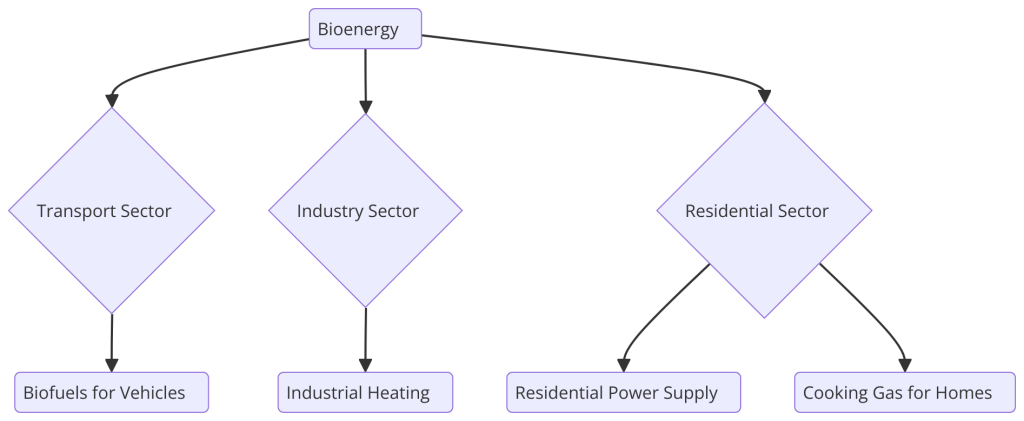
- Expanding biogas applications beyond traditional uses, such as in transportation and industrial processes.
- Developing more efficient and cost-effective small-scale biogas systems for farms and rural communities.
- Integrating biogas production with other renewable energy sources for comprehensive energy solutions.
Biogas Lipp:
- Further refining their VERINOX® technology for even greater efficiency and durability.
- Developing new digester designs optimized for emerging feedstocks like algae.
- Creating turnkey solutions that combine anaerobic digestion with other waste treatment technologies.
Challenges Facing the Bioenergy Industry
Despite its promise, the bioenergy sector faces several challenges that need to be addressed:
- Feedstock Sustainability: Ensuring that biomass production doesn’t compete with food crops or lead to deforestation.
- Economic Viability: Improving cost-effectiveness to compete with fossil fuels and other renewable energy sources.
- Technical Hurdles: Overcoming issues like low energy density of biomass and inefficiencies in conversion processes.
- Policy Uncertainty: Navigating changing government regulations and support mechanisms across different regions.
- Public Perception: Addressing concerns about land use, food security, and the overall environmental impact of bioenergy.
- Infrastructure Development: Building the necessary infrastructure for large-scale bioenergy production and distribution.
Opportunities on the Horizon
Despite these challenges, the bioenergy sector is ripe with opportunities:
- Climate Change Mitigation: Bioenergy’s potential for carbon neutrality or even negative emissions positions it as a key tool in fighting climate change.
- Rural Development: Bioenergy projects can create jobs and new revenue streams in rural areas.
- Waste Management: Bioenergy offers solutions for managing organic waste, addressing a growing global concern.
- Energy Security: Locally produced bioenergy can reduce dependence on imported fossil fuels.
- Technological Synergies: Integration with other renewable technologies can create more robust and flexible energy systems.
- New Markets: Emerging applications in aviation, shipping, and heavy industry open up new markets for bioenergy.
The Role of Bioenergy in Achieving Sustainability Goals
Bioenergy is set to play a crucial role in achieving global sustainability targets, including:
- Paris Agreement: Contributing to national commitments for reducing greenhouse gas emissions.
- UN Sustainable Development Goals: Supporting goals related to clean energy, climate action, and sustainable communities.
- Circular Economy: Facilitating the transition from a linear to a circular economic model.
- Biodiversity Conservation: When done sustainably, bioenergy can support land restoration and biodiversity.
Call to Action: Stakeholders, Policymakers, and the Public
Realizing the full potential of bioenergy requires concerted effort from various stakeholders:
- Policymakers: Develop clear, long-term policies that support bioenergy development while ensuring sustainability.
- Industry Leaders: Invest in R&D to overcome technical challenges and improve efficiency.
- Researchers: Continue to explore new feedstocks, conversion technologies, and applications for bioenergy.
- Investors: Provide capital for scaling up promising bioenergy technologies and projects.
- Public: Engage in informed discussions about bioenergy and support sustainable energy initiatives.
- Educational Institutions: Develop programs to train the next generation of bioenergy professionals.
Conclusion: A Sustainable Energy Future
As we look to the future, bioenergy stands out as a versatile, renewable energy source with the potential to address multiple global challenges simultaneously. From waste management to rural development, from energy security to climate change mitigation, bioenergy offers a path toward a more sustainable and resilient energy system.
Companies like Dominion & Grimm and Biogas Lipp, with their innovative technologies and global expertise, are well-positioned to lead this transition. However, realizing the full potential of bioenergy will require collaboration across sectors, continued innovation, and supportive policy frameworks.
The journey toward a sustainable energy future is complex, but with bioenergy as a key component of our renewable energy mix, we have a powerful tool to help us navigate the challenges ahead. As we conclude this series, we are reminded that the future of energy is not just about technology—it’s about reimagining our relationship with resources, waste, and the natural world. In this new paradigm, bioenergy offers us not just energy, but a new way of thinking about our place in the global ecosystem.
References:
United Nations Sustainable Development Goals: https://sdgs.un.org/goals
Bioenergy Europe: https://bioenergyeurope.org/
U.S. Department of Energy – Bioenergy Technologies Office: https://www.energy.gov/eere/bioenergy
Circular Economy – Ellen MacArthur Foundation: https://ellenmacarthurfoundation.org/topics/circular-economy-introduction/overview