


Prodeval: The Bioenergy Company That Powers Tomorrow’s World
Prodeval: The Bioenergy Company That Powers Tomorrow’s World Prodeval is making significant strides in the field of bioenergy, particularly in the treatment and valorization of biogas derived from the anaerobic digestion of organic waste. As an independent French company, Prodeval has honed its expertise over three decades, offering bespoke solutions for biomethane production and distribution. This sustainable focus is evident in their innovative approaches to converting biogas into biomethane, a 100% renewable energy source that can substitute fossil fuels, thus curtailing CO2 emissions—Prodeval’s solutions prevent approximately 741,000 tonnes of CO2 emissions annually. Biomethane Addressing the climate emergency, Prodeval has embraced biomethane as a decarbonized energy source that

The Bioenergy Revolution: From Global Crisis to Local Solutions
Exploring Dominion & Grimm (D&G) and Biogas Lipp‘s Cutting-Edge Anaerobic Digestion Technologies – Part 1 out 4 Series NEXT PART 2 The Bioenergy Revolution: From Global Crisis to Local Solutions In an era marked by pressing environmental challenges and a growing energy crisis, the world is urgently seeking sustainable alternatives to fossil fuels. At the forefront of this green energy revolution stands bioenergy – a renewable energy source derived from organic materials. This article explores the global context of the energy crisis, the rise of bioenergy as a viable solution, and Canada’s journey in embracing this transformative technology. The Global Energy Crisis: A Call for Change The world
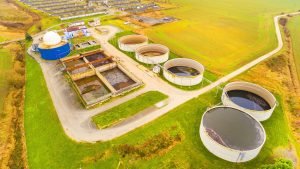
Dominion & Grimm: Pioneers in Green Energy Transformation
Exploring Dominion & Grimm (D&G) and Biogas Lipp’s Cutting-Edge Anaerobic Digestion Technologies – Part 2 out 4 Series PREVIOUS PART 1 – NEXT PART 3 In the rapidly evolving landscape of renewable energy, some companies stand out for their ability to innovate and adapt. Dominion & Grimm (D&G), a Montreal-based company with roots in the maple syrup industry, has emerged as a surprising yet formidable player in the bioenergy sector. This article explores D&G’s remarkable journey from maple syrup production to becoming a leader in biogas technology, highlighting their significant contributions to Canada’s green energy revolution. A Sweet Beginning: D&G’s Maple Syrup Legacy Dominion & Grimm‘s story begins in the early 20th century, deeply
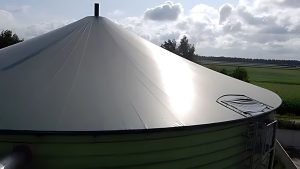
Biogas Lipp: Innovating Anaerobic Digestion Systems
Exploring Dominion & Grimm (D&G) and Biogas Lipp‘s Cutting-Edge Anaerobic Digestion Technologies – Part 3 out 4 Series PREVIOUS PART 2– NEXT PART 4 In the evolving landscape of renewable energy, biogas has emerged as a promising solution for sustainable waste management and energy production. At the forefront of this technology stands Biogas Lipp, a company that has revolutionized the field of anaerobic digestion systems. This article explores Biogas Lipp‘s background, their cutting-edge technologies, and the significant impact they’ve made on the global biogas industry. From German Roots to Global Reach Biogas Lipp‘s story begins in Germany, a country known for its leadership in renewable energy technologies. The company originated as Lipp GmbH, leveraging Germany’s

The Future of Bioenergy: Innovations, Challenges, and Opportunities
Exploring Dominion & Grimm (D&G) and Biogas Lipp‘s Cutting-Edge Anaerobic Digestion Technologies – Part 4 out 4 Series PREVIOUS PART 3 As we stand at the crossroads of a global energy transition, bioenergy emerges as a crucial player in our sustainable future. This final article in our series explores the cutting-edge innovations, pressing challenges, and exciting opportunities that lie ahead in the bioenergy sector, with a particular focus on the roles of industry leaders like Dominion & Grimm and Biogas Lipp. Emerging Trends in the Bioenergy Sector The bioenergy landscape is rapidly evolving, driven by technological advancements, policy shifts, and changing market dynamics. Key trends shaping the future of bioenergy include: